LinkedIn, Bing and others
Other advertising platforms where your buyers are, run on the same measurement.
Services · Advertising
Goodish plans and runs data-driven paid advertising across Google, Meta, TikTok, ChatGPT, LinkedIn and Bing, plus email and SMS, for companies that need customers rather than clicks. We work mostly with US fintech, SaaS and franchise businesses, and we measure every campaign against closed deals in your CRM.
Search, Performance Max, YouTube and remarketing, with offline conversions from your CRM.
Facebook and Instagram campaigns trained on CRM and product data through the Conversions API.
Lead generation and Spark Ads with Pixel plus Events API, and financial-services policy handled.
OpenAI's new ad channel, tested carefully, plus being recommended by ChatGPT without an ad.
New channelOther advertising platforms where your buyers are, run on the same measurement.
Klaviyo, Mailchimp, SendGrid and Twilio flows that nurture leads and bring buyers back.
Paid advertising is buying attention on search engines, social platforms and AI assistants, and paying for it by the impression, the click or the result. Goodish runs those campaigns end to end, and builds the measurement underneath them so you know which ones produce customers.
We don’t just run ads; we build growth infrastructure. That means conversion tracking that survives cookie banners, offline conversions posted back from closed deals, and one reporting view where platform numbers sit beside CRM revenue.
Usually for one of four reasons: the wrong platform for the product, targeting that doesn’t match the buyer, no tracking beyond the click, or nobody reading the data that exists.
The expensive one is the third. When the only conversion a platform sees is a form fill, it gets very good at finding people who fill in forms, including the ones who never become customers.
We post offline conversions back from closed-won deals, key conversion values on deal stage rather than on the form, enforce one UTM convention across every channel, and report platform ROAS beside CRM revenue, never instead of it.
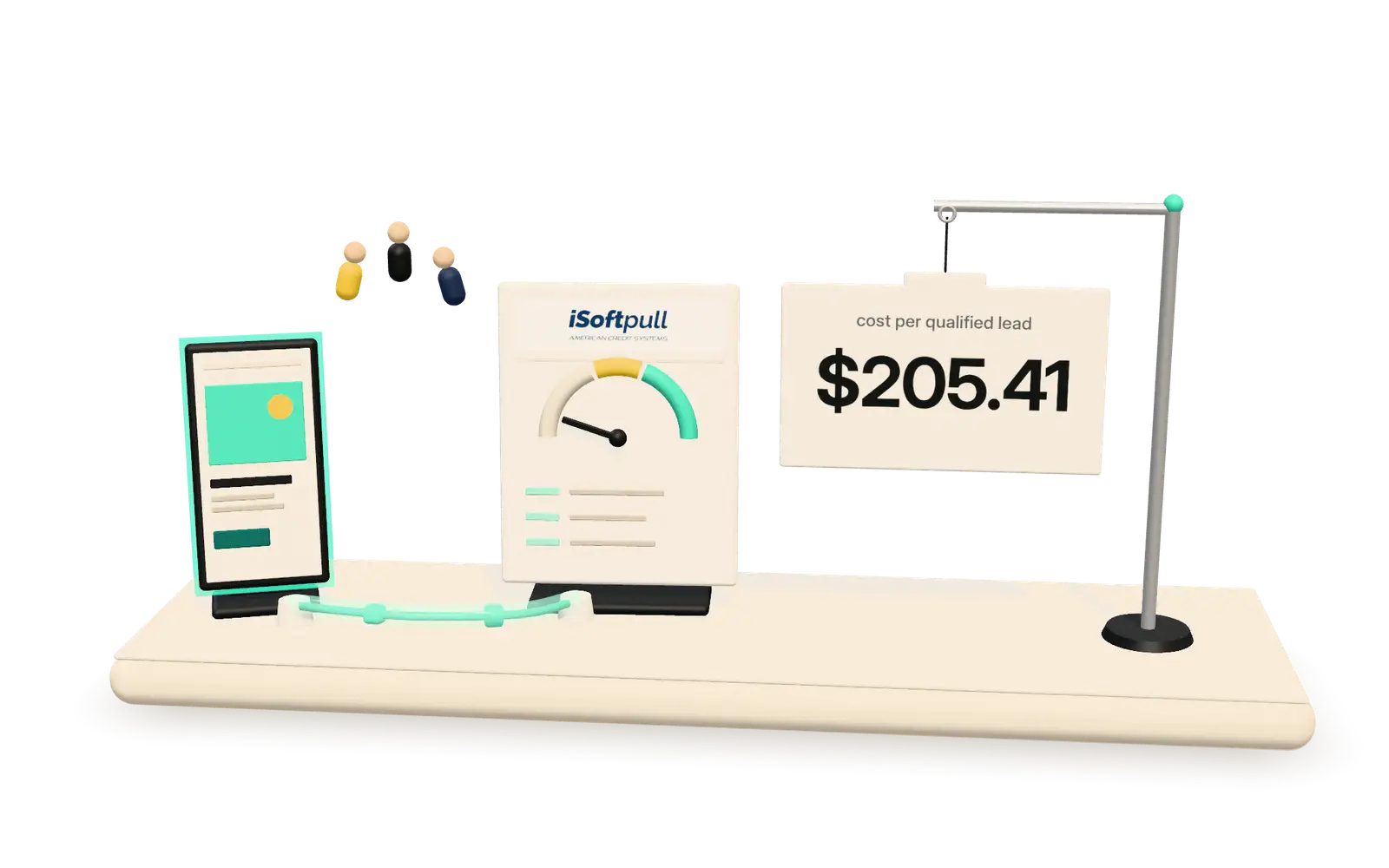
For iSoftpull, a B2B credit-data company, connecting Meta and Google Ads to product-usage data took the cost per qualified lead from $205.41 to $25.84, an 87% drop between late 2024 and early 2026. For TMT Finance we fixed the onboarding funnel before relaunching Google Ads, and the cost per lead fell 97%.
PPC campaigns, ad scaling and retargeting funnels across search, social, email and SMS.
Keyword research, competitor analysis and conversion rate optimisation before a dollar is spent.
Meta and Google connected to product usage and CRM data, so the algorithms learn from customers, not clicks.
Fintech, lending and other restricted categories: policy hygiene and accounts that stay live.
Real clients, real numbers, straight from our client reports.
 B2B credit & data, United States · 2017 → today
−87%
cost per qualified lead
Meta and Google Ads connected to product-usage data, so the algorithms learn from people who use the software, not from form fills. Spend cut on low-intent audiences and refocused on B2B decision-makers.
TMT Finance Financial media & funding, United Kingdom · 2023 → today
−97%
cost per lead
Product analytics and UX forensics first, an onboarding flow redesigned on that data, and only then Google Ads relaunched with smart bidding fed by the new conversion data.
CityBajk Our own ventureE-bike webshop, Slovenia · mid-2024 → sold 2026
< €50
cost per purchase on Meta in peak season
Our own e-commerce venture, built from zero. Meta (Facebook and Instagram) was the strongest channel; everything measured with GA4, PostHog and Clarity. Sold in 2026 to an operator who runs it day to day.
It's more than just hiring an agency to run your Facebook ads, it's a whole digital architecture and I put my trust in Goodish. I'd recommend them to anyone.
Thirty minutes, no deck. We open the site, the ads, the tagging, the CRM and the reporting, and tell you where it leaks.
Conversion tracking and offline conversions first, then campaigns structured around what your CRM says a customer is worth.
Continuous optimisation, with platform numbers reported beside CRM revenue, never instead of it.
Scoped per account: the platforms, the spend and how much tracking and CRM work sits behind them. The audit is free, you get a fixed quote after it, and the ad budget is paid to the platforms directly from your accounts.
From Tech Pulse

FAQ
The one where your buyers already show intent, and where you can measure the result. For most B2B and fintech companies that is Google Search first, then Meta once the conversion signal from the CRM is clean. TikTok and ChatGPT Ads come after, as measured tests.
It is scoped per account: the platforms, the spend and the tracking work behind them. The audit is free, and you get a fixed quote after it.
A senior paid ads specialist reviews your accounts and pages and gives you at least seven actionable findings at no cost. If it helps, we can talk about working together; if not, no hard feelings.
Yes. Most of our clients are in fintech, SaaS and franchising. Lending, credit and other restricted categories need advertiser verification and careful policy work on every platform, and we plan for it from the start.
Because each platform counts its own conversions generously, and the totals rarely match what finance sees. We post offline conversions back from closed deals and show platform numbers beside CRM revenue, so budget moves to what actually pays.
We’d like to use analytics and ad measurement (Google, Meta, LinkedIn) to see what works on this site. Nothing is set until you choose. Privacy notice