Yes, ChatGPT now shows ads, and B2B companies can buy them. As of October 2026, OpenAI sells sponsored units below ChatGPT’s answers in more than 60 countries, through a self-serve Ads Manager that is still in beta and with no published performance benchmarks. For most B2B teams the right move this quarter is not a big budget; it is getting measurement, landing pages and organic visibility ready so that a small, honest test is possible when you decide to run one.
We keep the facts current on our ChatGPT Ads channel page. This article is the practical version: what the channel is, what it is not, and what we would prepare first if you sell software, fintech or a B2B service.
What exactly are ads in ChatGPT?
They are sponsored units that appear below the end of a ChatGPT response. Each one is labeled as sponsored and visually separated from the answer. A single ad unit can hold one or more items, from one advertiser or several.
The timeline, as OpenAI has published it:
- 16 January 2026: OpenAI announced ads in ChatGPT.
- 9 February 2026: testing started in the US, for logged-in adults on the Free and Go plans.
- 5 May 2026: the self-serve Ads Manager launched in beta.
- End of August 2026: self-serve opened in Europe, India and the Middle East and North Africa.
- September 2026: OpenAI said ads were available in more than 60 countries.
The program is still described as a beta. That one word should shape every expectation you bring to it.
Who sees ChatGPT ads, and who doesn’t?
Logged-in adults on the Free and Go plans. Plus, Pro, Business, Enterprise and Edu accounts don’t see ads, accounts identified as under 18 don’t see them, and Free users can switch to an ad-free experience with lower usage limits.
For B2B marketers this is the first thing to think about. Many of the senior buyers you want may use ChatGPT through a paid or company plan, and those people will not see your ad at all. The audience you can reach is real, but it is not the whole ChatGPT audience, and it is not obviously your buying committee. That is a reason to test before you plan, not a reason to ignore the channel.
How does ChatGPT decide which ad to show?
There are no keywords. To choose an ad, ChatGPT looks at:
- the context of the current conversation;
- your landing page, ad title and ad copy;
- the context hints and targeting you set as the advertiser;
- and, when the user has ad personalization on, signals from their wider ChatGPT use.
Ranking combines relevance and your bid. Personalised ads are not initially available in the EEA or Switzerland.
Two consequences follow. Your landing page is part of the targeting, so a vague page makes a vague ad. And the craft moves from keyword lists to describing, in plain language, which conversations your offer genuinely belongs in.
What has OpenAI promised about privacy and answers?
OpenAI has published five advertising principles: mission alignment, answer independence, conversation privacy, choice and control, and long-term value. In practice that means OpenAI says ads do not change ChatGPT’s answers, conversations stay private from advertisers, and user data is not sold to them.
What you get back as an advertiser is aggregated performance data such as views and clicks, not transcripts. Ads are also kept away from sensitive topics, including personal health, mental health and politics.
This matters for planning. You will not get the conversation-level insight some marketers imagine, so the learning has to come from your own side: what happens after the click, on your site and in your CRM.
What does buying ChatGPT ads look like today?
Here is the state of play as of October 2026, from our ChatGPT Ads page:
| Question | As of October 2026 |
|---|---|
| How do you buy? | OpenAI’s agency and technology partners, the self-serve Ads Manager (beta), or the Advertiser API |
| How do you pay? | Per thousand views (CPM), per click (CPC), or conversion-optimized delivery still billed per click or impression |
| Minimum budget | $25 a day per campaign (€15 or £15 when billed in those currencies) |
| Targeting | Context hints instead of keywords, plus countries, regions, platforms and custom audiences of at least 25,000 matched users |
| Measurement | The OpenAI Pixel and a Conversions API, with lead, sign-up and purchase events |
| Benchmarks | None published; OpenAI says the channel has no performance benchmarks yet |
| New accounts | May at first advertise only in their home country, until identity verification and a spend threshold are met |
That last row is easy to miss. If your company is registered in one country and sells into another, which describes many of the European and US businesses we work with, check where a new self-serve account can actually advertise before you plan a launch date.
Can fintech and B2B software companies advertise?
B2B software and services generally can, subject to OpenAI’s ad policies. Financial products are a different story:
- In the US, OpenAI may approve, case by case, advertisers of auto loans, credit cards, credit monitoring, deposit accounts, financial planning, insurance, investment services, mortgages, personal loans and payment services, and may ask for proof of licensing.
- Financial tools that don’t promote financial products, such as budgeting apps or general financial software, are generally permitted.
- Not allowed: credit repair, debt settlement, debt assistance and alternative investments.
- Outside the US, financial-services ads are generally prohibited.
If you are in a regulated category, do the policy check before anything else. It is the cheapest step and it decides whether the rest of this article applies to you.
What should B2B teams prepare before spending anything?
Five things, in this order. None of them is wasted if you decide not to advertise, because each one also helps your Search, Meta and organic results.
1. Measurement that reaches the CRM
Install the OpenAI Pixel and the Conversions API with the same lead and sign-up events you already send to Google and Meta. Then make sure a lead that came from ChatGPT keeps its source all the way into the CRM, so it can be judged on pipeline rather than on form fills. ChatGPT referrals arrive tagged utm_source=chatgpt.com, which makes the organic side visible in analytics too.
This is the same work we do for every channel: server-side tagging, a first-party endpoint, and offline conversions posted back from closed-won deals. If that foundation is missing, fix it first; our analytics service and the guides on server-side Google Tag Manager and offline conversions from CRM data cover how.
2. A conversion definition you will defend
Decide, in writing, what counts as a success before the test starts. For most B2B companies that is a qualified lead or a booked demo, not a page view or a click. A new channel with no benchmarks is exactly where teams talk themselves into soft metrics after the fact. If you need a reference point for what a lead should cost, our piece on what a good cost per lead looks like in B2B fintech explains how we set one.
3. Landing pages that answer one question
Because the landing page feeds into ad selection, it needs to say plainly what you sell, who it is for and what happens next. One page per use case beats a homepage. The same discipline makes a page more likely to be cited by assistants organically, so it pays twice.
4. Organic visibility first
Before paying to appear under an answer, check whether you already appear in it. Ask ChatGPT the questions your buyers ask, and note who gets recommended and which sources are cited. OpenAI says ChatGPT search shows pages its OAI-SearchBot crawler can reach, so a site that blocks it will not appear there; blocking GPTBot only opts you out of model training. Placement is never guaranteed. Our guide to getting recommended by AI assistants goes through the full list.
There is a reason to care: in G2’s 2026 survey of 1,076 B2B decision-makers, 51% said they now start software research in an AI chatbot more often than in Google.
5. A testing budget with an end date
Set a fixed budget and a fixed window, then compare the result with your Search and Meta cost per qualified lead. The platform minimum is $25 a day per campaign, so a single campaign running for 30 days costs at least $750. Treat that as the floor, not a recommendation; the right figure depends on your deal size and how many leads you need to judge quality.
Write down in advance what result would make you scale, reshape or stop. A test that says no is a useful result.
What results should you expect?
Nobody can tell you yet. OpenAI itself publishes no benchmarks. One independent study of more than 50,000 commercial prompts found ads on about 26% of them, and around 14% of the ads it saw were effectively unrelated to the prompt. That points to a channel still finding its relevance, which is normal for a beta.
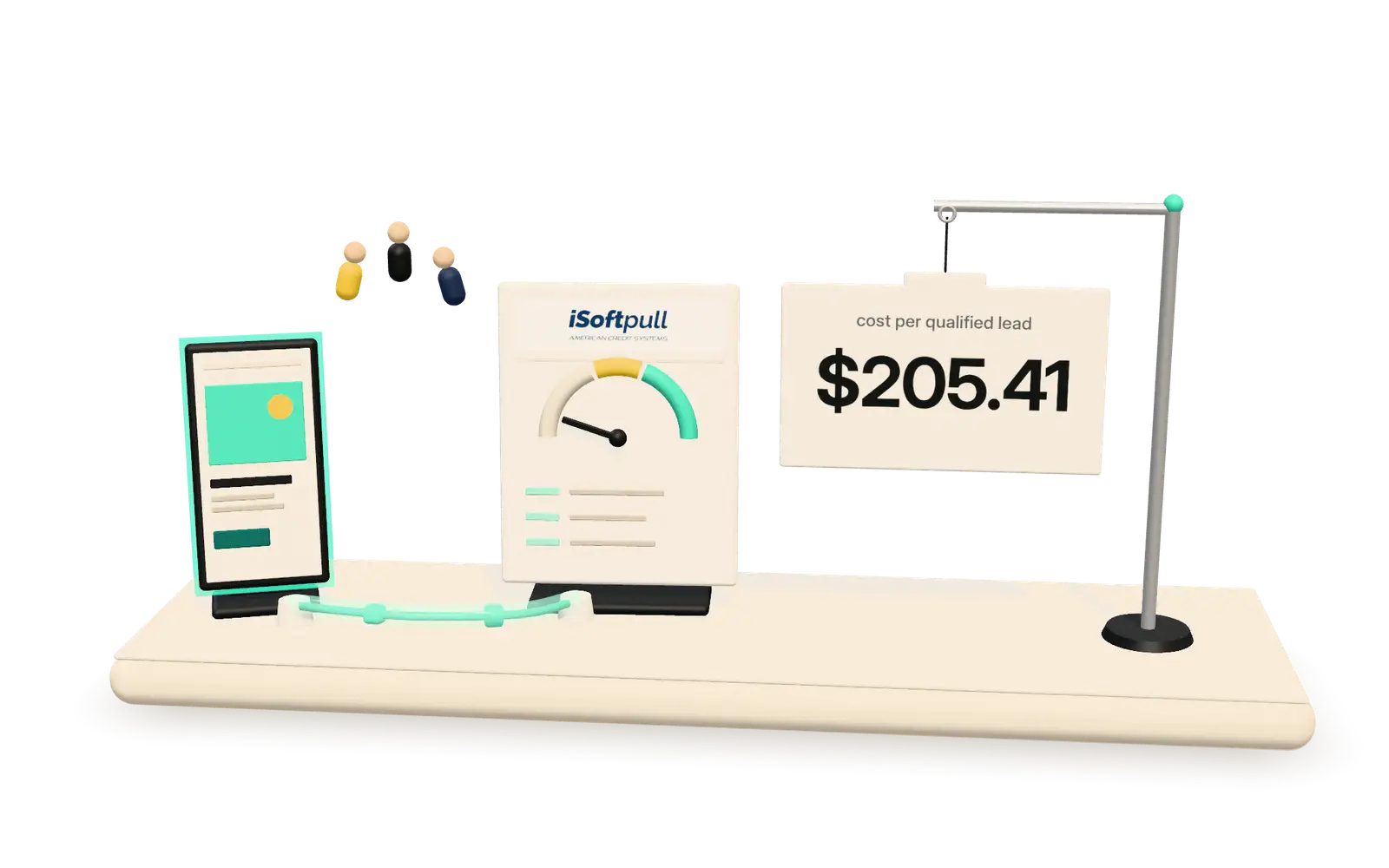
We have no published ChatGPT Ads results for clients, and we won’t invent any. What we can say is how we handle new channels: measurement first, then a small test. When TMT Finance came to us, $4,200 of ad spend had produced two conversions and nobody could see why. We fixed the measurement and the onboarding flow before relaunching Google Ads, and cost per lead fell from $2,140 to $48.74 (the TMT Finance case). That was Google, not ChatGPT, but the order of operations is the same.
Should ChatGPT Ads replace Google or Meta in your plan?
No. For most B2B and fintech companies, Google Search comes first because buyers show intent there and the measurement is mature, and Meta follows once the CRM signal is clean. ChatGPT Ads come after, as a measured test. Our paid advertising approach, and the Google Ads and Meta Ads pages, explain how we sequence channels.
The more durable investment is being worth recommending without an ad: clear pages, a consistent company description and pages AI crawlers can reach. That work does not depend on any one ad product surviving its beta.
FAQ
Are there ads in ChatGPT now?
Yes. OpenAI started testing ads in the US on 9 February 2026 and, as of September 2026, said they were available in more than 60 countries. They appear below the end of an answer, labeled as sponsored. The program is still a beta.
Do ChatGPT ads change the answers?
OpenAI says they do not; answer independence is one of its five advertising principles. Advertisers receive aggregated performance data, not conversations.
What is the minimum budget for ChatGPT ads?
$25 a day per campaign in Ads Manager, or €15 or £15 when billed in those currencies, as of October 2026.
Can a fintech company advertise in ChatGPT?
In the US, some financial categories may be approved case by case, possibly with proof of licensing. Financial software that doesn’t promote financial products is generally permitted. Credit repair and debt settlement are not allowed, and financial-services ads outside the US are generally prohibited.
Can Goodish run a ChatGPT Ads test for us?
Yes, as a measured test: a policy and eligibility check, tracking into your CRM, a fixed budget and window, and a written recommendation at the end. Start with the ChatGPT Ads page or get in touch.